
The digital market is becoming more specialized every year. People are no longer satisfied with generic websites that try to serve everyone at once. They increasingly prefer platforms that feel more relevant to their language, habits, and cultural expectations. This is especially true in the Arabic-speaking online space, where users often look for websites built around familiar terms, regional organization, and a browsing experience that feels direct and easy to use. As this trend continues, niche Arabic platforms are gaining more visibility and stronger user engagement.
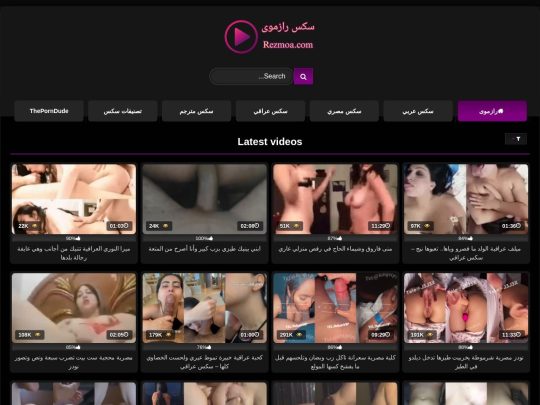
One website that reflects this shift is rezmoa.com. Its structure suggests a strong focus on Arabic-speaking visitors, with category-based browsing and a layout designed for quick access. Rather than trying to copy the style of broad international platforms, it appears to concentrate on a specific audience and give that audience a more localized experience. That is a smart move. In competitive markets, websites often grow faster when they stop trying to be universal and start becoming highly relevant to a clearly defined user group.
Language is one of the biggest reasons regional websites perform well. When users search in Arabic, they usually expect more than just Arabic words in the title. They expect the full experience to match, from the homepage layout to the navigation labels and category names. A platform that feels disconnected from user intent will lose attention quickly. A platform that feels familiar can keep visitors engaged much longer. This is why localization is not just a content strategy. It is a conversion strategy.
Another key factor is simplicity. Many users prefer websites that are easy to understand within seconds. They want visible categories, a direct path to content, and minimal friction. In many cases, especially on mobile devices, speed and clarity matter more than visual polish. A clean structure encourages deeper browsing because the visitor does not need to work to understand what the site offers. That kind of usability is often underestimated, but it has a major effect on session duration, repeat visits, and overall site performance.
Regional platforms also have a clear SEO advantage when they focus on specific search behavior. Broad international terms are often too competitive, especially for smaller websites. But localized search themes create more realistic ranking opportunities. A site that understands how its audience searches can build stronger category pages, better internal linking, and a more focused content strategy. This is where many niche sites outperform larger competitors. They do not win by having more pages. They win by being more aligned with intent.
From a strategic point of view, this kind of focus creates a stronger brand identity. Users remember websites that clearly stand for something. A vague platform may attract some traffic, but a focused one is more likely to build return visits and direct recognition. Over time, that identity becomes an asset. It shapes search behavior, increases trust within the niche, and makes the platform easier to promote through directories, listings, and supporting content.
The growth of Arabic-language internet usage also supports the rise of websites like rezmoa.com. More users are online, more searches are being made in Arabic, and more people expect localized digital experiences. This creates a favorable environment for websites that invest in relevance rather than scale alone. The opportunity is real, but only for sites that stay disciplined. Random expansion weakens niche authority. Focus strengthens it.
A well-structured regional site also benefits from internal organization. Category pages, latest updates, popular content sections, and related-page links can all work together to keep users moving through the site. This improves both user experience and search performance. Many website owners ignore this and focus only on publishing more pages. That is a mistake. Growth usually comes from improving the relationship between pages, not just increasing their number.
Looking ahead, the demand for Arabic-focused platforms is likely to continue rising. Users want faster access, clearer organization, and websites that reflect their language and browsing habits. Platforms that can deliver those basics consistently will keep gaining ground. They do not need to dominate every market. They only need to serve their own audience better than generic competitors do.
In that context, rezmoa.com is a useful example of how a regional website can build around a specific audience and stay relevant through focused structure, language alignment, and simple discovery paths. The broader lesson is clear. Online growth is no longer just about reaching more people. It is about matching the right people with the right experience.